
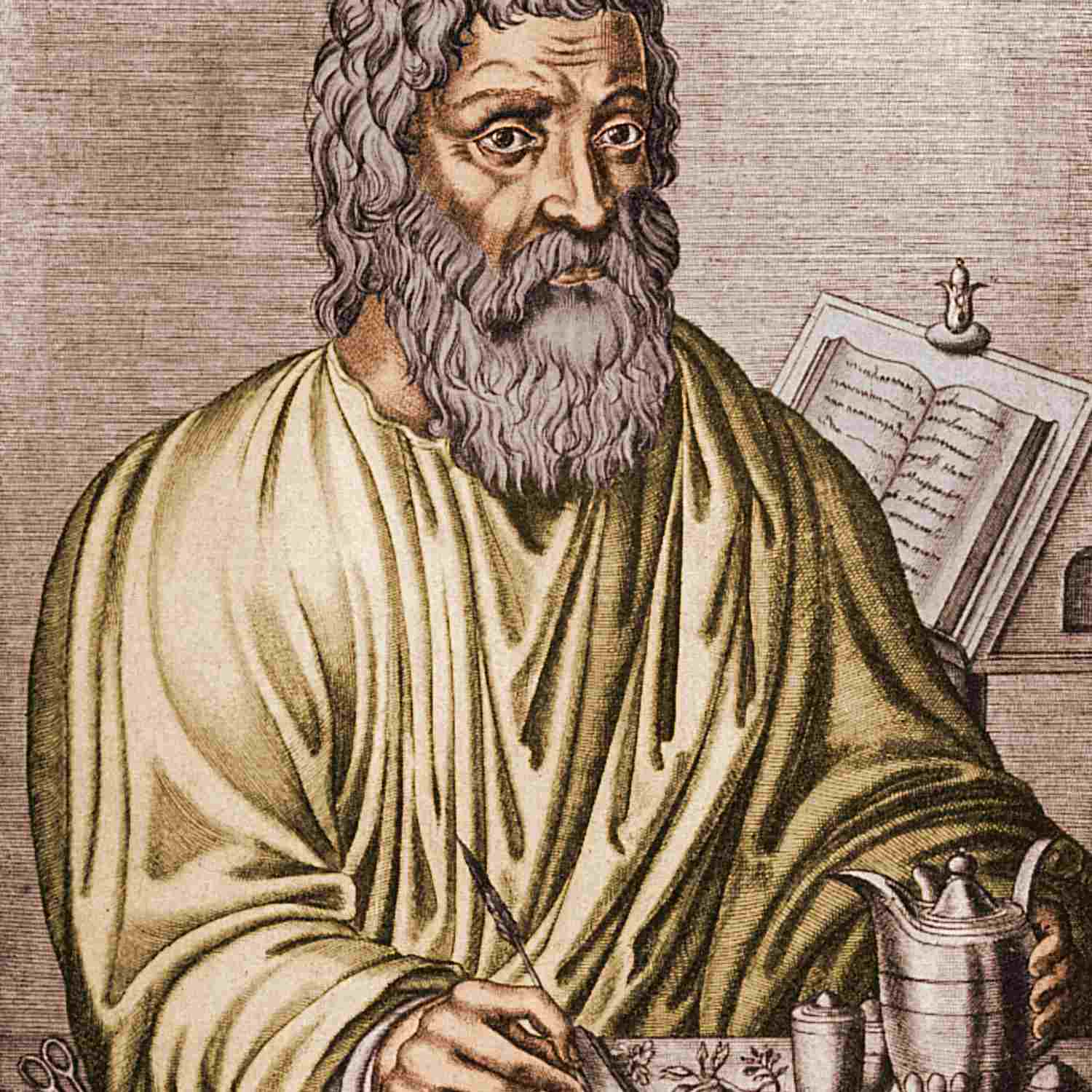
The idea of the principle “like cures like” was not new. Paracelsus, German physician and philosopher, suggested that substances causing disease symptoms might also be used to cure them:
“What makes a man ill also cures him.” — Paracelsus (Philippus Aureolus Theophrastus Bombastus von Hohenheim), circa early 1500s.
Hippocrates who is to this day considered a father of Medicine wrote that diseases can be cured by their opposites (contraria contrariis curantur), such as cooling a fever with something cold — a concept that became the foundation for conventional, allopathic medicine.
We can also find in the Hippocratic writings (“On the Places in Man” and “Aphorisms”): “By similar things a disease is produced and through the application of the like it is cured.” — Hippocrates, ca. 400 BCE That is essentially similia similibus curentur — the same principle Hahnemann later adopted for homeopathy. Hippocrates (c. 460–370 BCE) recognized both approaches (allopathic and homeopathic) in principle, even though these terms didn’t exist at that time. He wrote (paraphrased from On the Places in Man and Aphorisms): “Diseases are cured by their like, and also by their opposites.”